

Introduction
Oshawa, the largest city in Durham Region with more than 175,000 residents, has a mix of older wartime homes, mid-century subdivisions, and rapid new development in the city’s north end. Plumbing needs vary across these neighbourhoods, and Oshawa’s moderately hard water adds to the challenge, creating scale buildup in appliances and fixtures. With cold winters and older sewer infrastructure in some areas, regular plumbing maintenance is essential.
Water Source, Quality & Hardness
- Source: Oshawa’s drinking water is supplied by Durham Region, which sources from Lake Ontario and distributes through regional treatment plants. (Durham Region Water)
- Quality: Durham Region’s annual water reports show Oshawa’s water meets or exceeds all Ontario standards under the Safe Drinking Water Act.
- Hardness: Oshawa’s water is moderately hard, averaging 6–7 gpg (≈120 mg/L CaCO₃) (Aquatell).
- Homeowners will notice scale deposits on taps, kettles, and dishwashers.
- Sediment can accumulate in hot water tanks, reducing efficiency.
- Many Oshawa residents install water softeners to extend appliance lifespan.
Housing Stock & Plumbing Systems
- Older wartime bungalows (South Oshawa, Central Oshawa): Often built with galvanized or early copper piping; sewer laterals may be clay or cast iron.
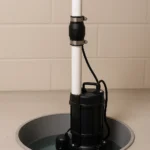
- 1960s–1980s subdivisions (Eastdale, Lakeview): Mix of copper and ABS piping; sump pumps more common.
- Newer developments (North Oshawa, Windfields): PEX and copper plumbing systems, with modern drainage and backflow protection.
- Rural edges (Courtice, surrounding areas): Some properties use private wells and septic tanks.
Common Plumbing Issues in Oshawa
- Scaling and mineral deposits — moderately hard water leaves visible marks on fixtures and appliances.
- Sediment in hot water tanks — lowers performance and shortens tank life.
- Frozen pipes — during harsh winter weather, especially in uninsulated areas.
- Sewer backups — common in older neighbourhoods with clay laterals and tree roots.
- Well water testing — required for rural properties outside city supply.
Seasonal Considerations
- Winter: Exposed or poorly insulated pipes can freeze and burst.
- Spring: Snowmelt and heavy rains can flood basements and overwork sump pumps.
- Summer: Thunderstorms may overwhelm storm drains in older neighbourhoods.
- Fall: Increased rainfall raises risk of sewer backups.
Plumbing Costs in Oshawa
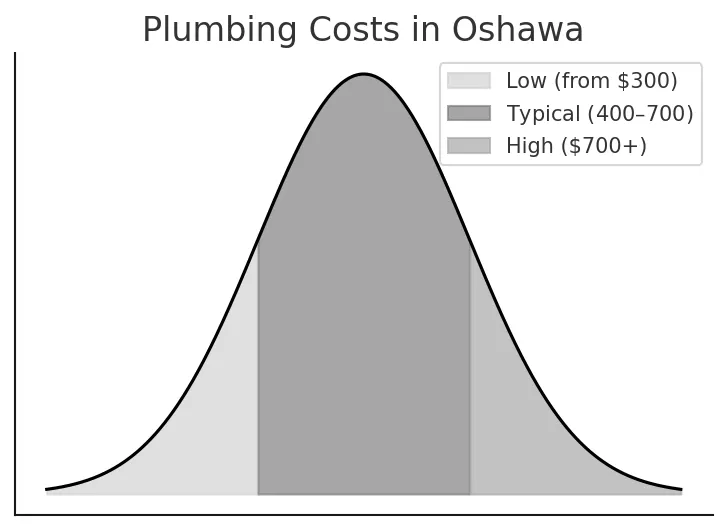
Most Durham Region plumbers, including Oshawa, charge a minimum service call of about $300 before tax, which covers the first hour or inspection.
Typical Plumbing Prices in Oshawa
| Service | Low | Typical | High |
|---|---|---|---|
| Drain unclogging | $300 | $400 | $700+ |
| Faucet replacement | $300 | $450 | $850+ |
| Hot water tank replacement | $1,400 | $2,000 | $3,500+ |
| Emergency after-hours call | $450 | $700 | $1,200+ |
⚠️ Disclaimer: Prices are estimates. Actual costs vary by contractor, permits, and job complexity.
Local Permits & Regulations
- Plumbing permits are required for new installations, fixture relocations, and drainage changes.
- The City of Oshawa manages permits through its Building and Permits Office.
- The Basic Building Permit Requirements confirm that plumbing is included in building permit approvals.
- Durham Region also oversees water and sewer user rates (Durham Water & Sewer Rates).
- Minor like-for-like repairs (e.g., replacing a faucet in the same spot) usually don’t require a permit.
📞 For permit and inspection questions, contact the City of Oshawa Building Services.
Case Study: Basement Flooding in Central Oshawa
In 2023, a Central Oshawa homeowner experienced a basement flood after a heavy spring rainstorm. A plumber inspected the property and found that tree roots had infiltrated the clay sewer lateral. The plumber performed a camera inspection, cleared the blockage, and recommended replacing the lateral with PVC pipe. The repair cost was approximately $7,800, but it restored reliable drainage and prevented further basement flooding.

FAQs
Is Oshawa water hard?
Yes. Oshawa’s water is moderately hard at about 6–7 gpg.
Do I need a water softener in Oshawa?
It’s recommended to reduce scaling and protect appliances.
What plumbing risks are most common in Oshawa?
Scale buildup, frozen pipes, and sewer backups in older neighbourhoods.
How much does a plumber cost in Oshawa?
Expect a minimum $300 service call, with higher charges for emergencies.
Who issues plumbing permits in Oshawa?
The City of Oshawa Building Services.
Tips for Oshawa Homeowners
- Install a water softener to reduce scaling.
- Flush hot water tanks yearly to clear sediment.
- Insulate exposed pipes before winter.
- Test sump pumps each spring.
- Confirm permit needs before starting renovations.
Conclusion
Oshawa homeowners face challenges from moderately hard water, aging sewer laterals in older neighbourhoods, and seasonal risks like frozen pipes and flooding. With regular maintenance, proper permits, and timely plumbing upgrades, you can prevent costly emergencies.
👉 Book a licensed plumber in Oshawa today at unclogit.com or call 604-496-1661.